REPORTS
Stronger Together Partnership’s COVID-19 Virtual Think Tank
January 1, 2021
Under the name of Stronger Together Partnership (STP), The Black AIDS Institute, San Francisco Community Health Center, and Latino Commission on AIDS, three organizations led by and serving people of color, have joined forces with other organizations to address the institutional challenges posed by the Novel Coronavirus (COVID-19) to the provision of HIV/STI/HCV services to communities of color in the U.S., Puerto Rico, U.S. Virgin Islands, and the Associated Pacific Island Jurisdictions.
This report produced by the Stronger Together Partnership highlights the key aspects of the planning and implementation process and 10 key recommendations aspiring from the discussions held during the COVID-19 Virtual Strategic Think Tank held on Oct 14, 2020.
Learn more about the Stronger Together Partnership here
Learn more about the COVID19 Virtual Strategic Think Tank here
We The People: A Black Strategy To End HIV
HIV is a disease that affects the most marginalized: Black and brown people, LGBTQ people, people living in poverty, people who don’t have housing, people experiencing substance addiction, and so many others who aren’t able to thrive simply because of who they are, who they love, or where they live. HIV is certainly not the only disease for which health disparities exist, but few health conditions match HIV in the degree to which it has affected those with the fewest resources to respond.
Scientifically, much has been revolutionized since the epidemic’s early days. Extraordinarily effective medications have been developed to slow the progression of the disease and to prevent further HIV transmission. In the near future, we are likely to have even more effective biomedical tools at our disposal—including long-acting, injectable antiretrovirals for both treatment and prevention and a plausible future of a cure and vaccine.
As optimism about available biomedical tools to fight HIV has increased, the HIV community has become more ambitious in its aspirations. Globally, in 2010 UNAIDS unveiled a vision of “getting to zero”—zero new HIV infections, zero discrimination, and zero AIDS-related deaths. That same year, the Obama administration unveiled the first National HIV/AIDS Strategy, which envisioned concerted action to reduce new infections and deaths.
January 2, 2015
HIV is a disease that affects the most marginalized: Black and brown people, LGBTQ people, people living in poverty, people who don’t have housing, people experiencing substance addiction, and so many others who aren’t able to thrive simply because of who they are, who they love, or where they live.HIV is certainly not the only disease for which health disparities exist, but few health conditions match HIV in the degree to which it has affected those with the fewest resources to respond.
Scientifically, much has been revolutionized since the epidemic’s early days. Extraordinarily effective medications have been developed to slow the progression of the disease and to prevent further HIV transmission. In the near future, we are likely to have even more effective biomedical tools at our disposal—including long-acting, injectable antiretrovirals for both treatment and prevention and a plausible future of a cure and vaccine.
As optimism about available biomedical tools to fight HIV has increased, the HIV community has become more ambitious in its aspirations. Globally, in 2010 UNAIDS unveiled a vision of “getting to zero”—zero new HIV infections, zero discrimination, and zero AIDS-related deaths. That same year, the Obama administration unveiled the first National HIV/AIDS Strategy, which envisioned concerted action to reduce new infections and deaths.
The State of Healthcare Access in Black America
September 1, 2017
The State of Healthcare Access in Black America initiative is a partnership between amfAR, AIDS United, George Washington University’s Milken Institute of Public Health, Harvard University’s Center for Health Law and Policy Innovation, the National Health Law Program, The Center on Budget and Policy Priorities, National Black Justice Coalition and Georgetown University’s O’Neill Institute for National and Global Health Law, National Black Gay Men’s Advocacy Coalition and Gilead Sciences.
What’s PrEP Got To Do With It?
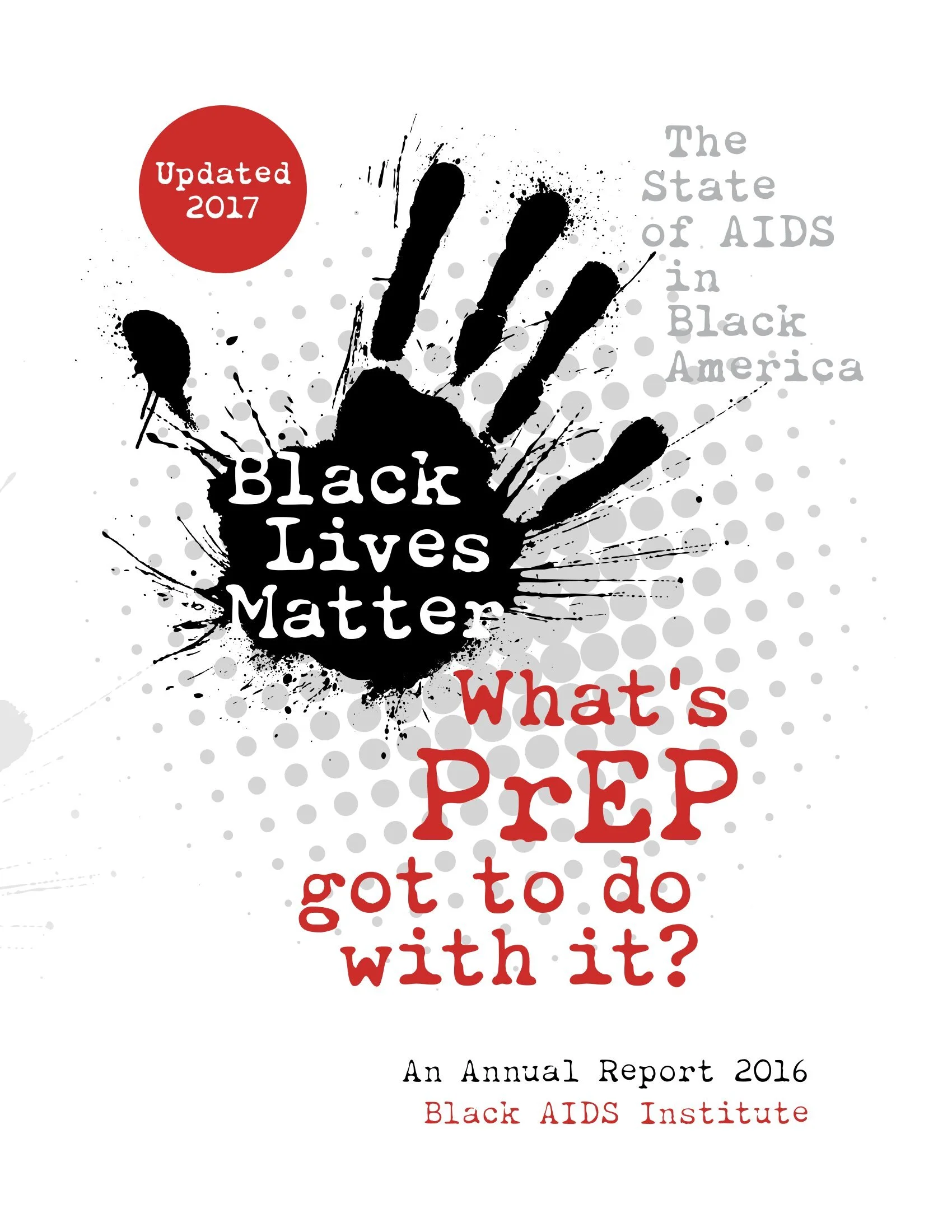
May 11, 2017
Welcome to the 2016 State of AIDS in Black America report.
Beginning in 2000, the Black AIDS Institute has published
seventeen reports on the state of the HIV/AIDS epidemic in Black communities. Over the years we have focused on Black youth, Black women, Black gay and bisexual men and other men who have sex with men, HIV testing, HIV/AIDS infrastructure in Black communities, HIV science and treatment literacy, and ending the AIDS epidemic in Black communities.
This latest update focuses on the important role of biomedical interventions and an extraordinary new tool to prevent new HIV infections—preexposure antiretroviral prophylaxis, or PrEP.
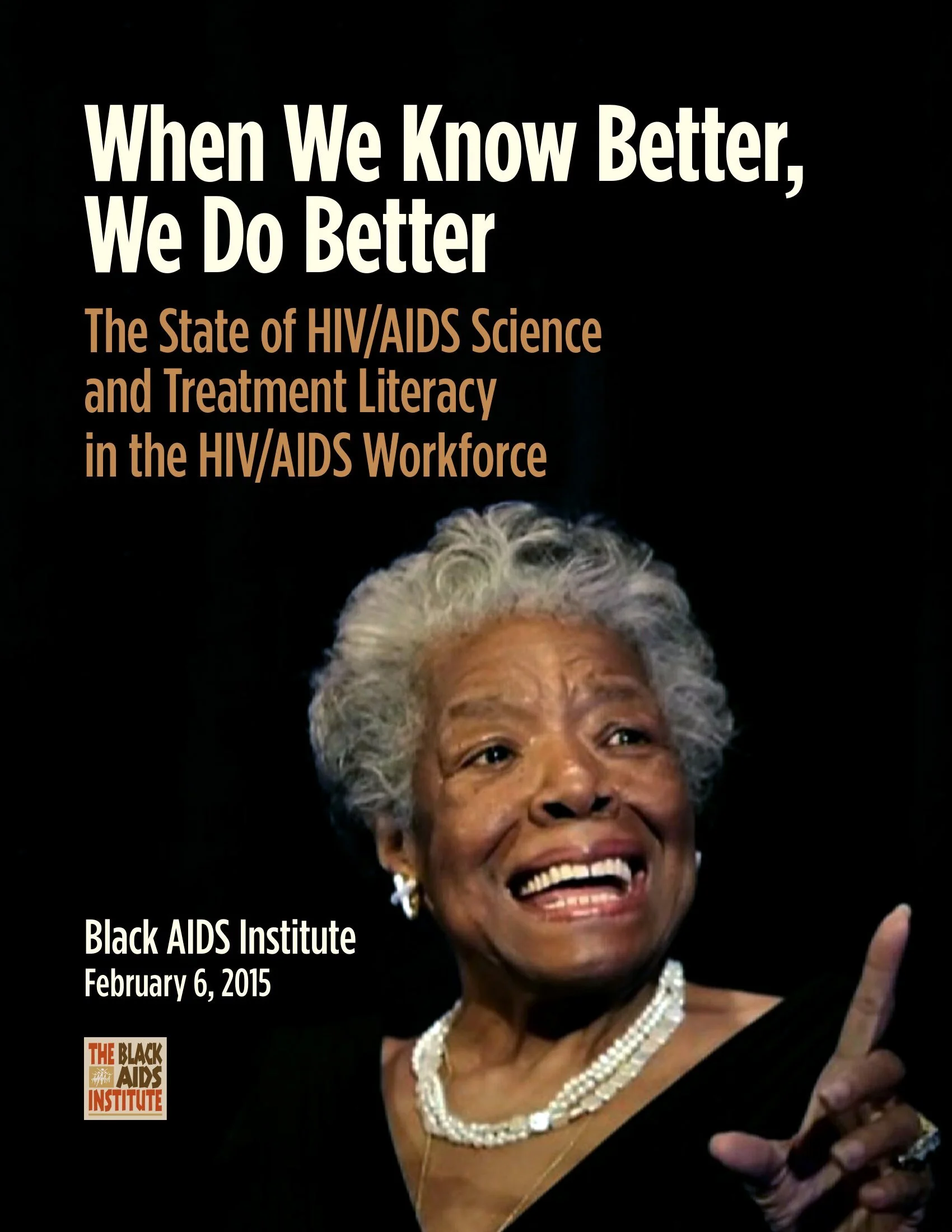
When We Know Better, We Do Better: The State of AIDS, Science
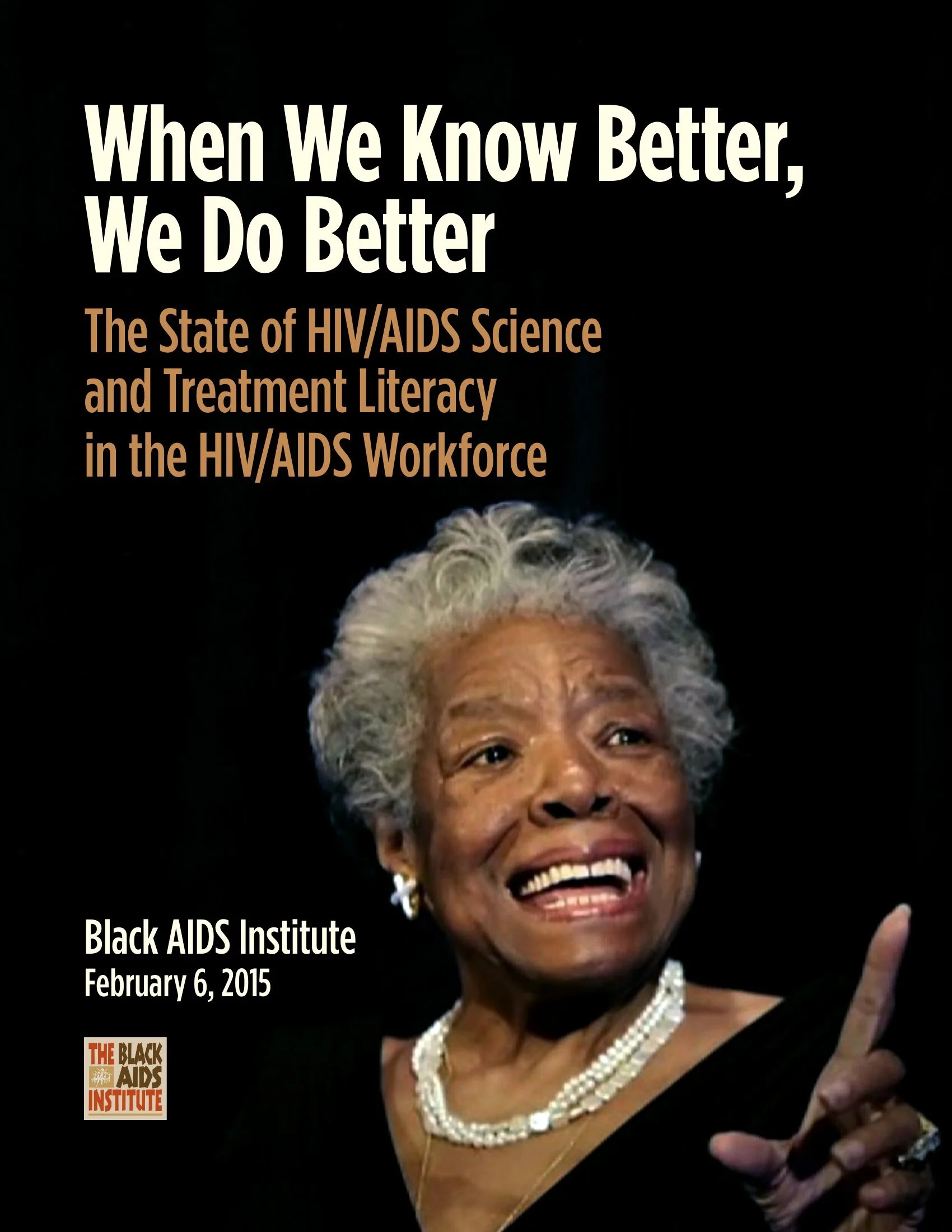
January 2, 2015
Introduction
The late Dr. Maya Angelou said, “Do the best you can until you know better. Then, when you know better, do better!”
I can’t think of a more appropriate quote or a more fitting messenger
when I think of this moment in time in the trajectory of the HIV/AIDS epidemic in America. Nearly 35 years have passed since the HIV/AIDS epidemic was first recognized, and nearly two decades have gone by since Highly Active Antiretroviral Therapy (HAART) emerged.
Only two years ago, at the International AIDS Conference in Washington, D.C., scientists and activists, including myself, hailed the potential for ending the epidemic once and for all.
Light at the End of the Tunnel: Ending AIDS in Black America
January 1, 2013
Introduction
A five-year action strategy to defeat AIDS in Black America
Welcome to Light at the End of the Tunnel, the 10th report on the State of AIDS In Black America. This is the Black AIDS Institute’s 19th report looking at the many challenges and opportunities confronting the Black response to the HIV/AIDS epidemic in America.
When we published the Nia Plan in 1999, our first report on the epidemic in Black America, the AIDS response in Black communities was behind the curve. Awareness of the AIDS crisis in Black America was low, and commitment to address the problem was even lower. Even as HIV cases spiraled upward in Black America, the country as a whole looked the other
way.
While much work remains to be done to increase awareness and commitment, we’ve seen nothing short of a sea change in the response
to AIDS in Black America since the founding of the Black AIDS Institute
in 1999. Today, Black Americans report a higher level of personal awareness of AIDS and a greater commitment to fight it than any other racial or ethnic group in the country. Many Black political, faith, and civic leaders are working to turn the tide against AIDS in our communities, and grassroots AIDS leaders have emerged in Black neighborhoods nationwide.
Exit Strategy: Ending the AIDS Epidemic in Black America
January 2, 2012
Introduction
A New Chapter in AIDS. Will It Be the Final Chapter? The Future Is in Our Hands
Welcome to Exit Strategy: Ending the AIDS Epidemic in Black America, the Black AIDS Institute’s eighth annual State of AIDS in Black America report. It’s hard to believe that I have been personally engaged in the fight against HIV/AIDS since the beginning. I was infected in 1980 just as the epidemic
was emerging; I spoke at the first AIDS candlelight vigil in Los Angeles in 1982; and I was diagnosed with HIV in 1986. I’ve lost too many friends and loved ones to count. I don’t remember how many hospital rooms I’ve visited, death beds I’ve sat beside, or eulogies I’ve delivered. Through it all I’ve dreamed about and talked about the end of the epidemic.
“The day will come when this epidemic will be over. And when it does, it is important for them to know we were not all cowards. We were not all monsters. Some of us dared to care in the face of it. Some of us dared to fight because of it. And, some of us dared to love in spite of it, because it is in the caring, fighting and loving that we live forever.”
Back of the Line: The State of AIDS Among Black Gay Men in America

January 1, 2012
“Black men loving Black men is a call to action, an acknowledgment of responsibility. We take care of our own kind when the night grows cold and silent. These days the nights are cold-blooded and the silence echoes with complicity.” Joseph Beam, Brother to Brother: Words from the Heart
I was 24 years old when I became infected with HIV. I’m 56 now. The journey to prepare this report has been a very personal one for me. I am among a small number of Black gay men who survived the darkest days of the AIDS epidemic. The first thing I did when we decided to write this
report was to take a long and hard look at two photographs hanging in the entryway of my house.
The first one is a photo of me with my friends Ken, Roger, and Steven. I am the only one of us still alive. The second photo is of me and my friend
David who died in 1998. The second thing I did was reread three very important books, In the Life: A Black Gay Anthology edited by Joseph Beam; Brother to Brother: New writings by Black Gay Men edited by Essex Hemphill; and Sojourner by the Other Countries collective.
All of these books were published between 1986 and 1993. As I reread these anthologies, I was struck by how prolific Black gay writers were during the very worst years of the AIDS epidemic. It was as if they were writing for their lives. There were nearly 80 contributors to those three anthologies and over 30% of them are dead today.
I got involved in the fight against AIDS—the GRID, (Gay Related Immune Deficiency)—shortly after the first cases were diagnosed among five
white gay men at UCLA medical center in 1982. In the beginning, like most Americans, I believed that AIDS was a white gay disease. But very quickly, I was disabused of that notion. On the ground, a different story was being played out. In fact, from the very beginning of the epidemic, the proportion of cases among Black gay men was more than double our share of the national population. Today, HIV prevalence among Black gay men is roughly double the prevalence among white gay men.
30 Years Is Enuf!
January 6, 2011
The History of the AIDS Epidemic in Black America.
Marking the 30th year of the epidemic brings to the surface so many powerful and conflicting emotions for me personally that I find it difficult to make sense of them all. I’m acutely aware of how lucky I am and how improbable it was when I was infected that I would be alive today. But here I am, the personification of what can happen when people with HIV have the love and support of family and friends and the care and treatment we need.
Hundreds of thousands of Americans living with HIV are alive today because of scientific breakthroughs. This milestone provides a moment to reflect and give thanks. Yet I’m also mindful of all that has been lost. More than half a million people have died of AIDS in this country. Worldwide, the death toll is over 25 million. They aren’t here to witness the end of the epidemic’s third decade. I remember Reggie, Marlon, Essex, Belynda, Rory, Roger, Craig, Brandy, Sylvester, Assotto, and the countless friends, loved ones and cherished colleagues gone too soon. No amount of scientific advances will bring them back, but their memories comfort me when I’m feeling lonely and inspire me to keep fighting until it is over.
Thirty years since the first official report of AIDS among six white gay men at UCLA medical center in Los Angeles, I’m also buffeted by conflicting emotions regarding how much we have failed to do. I’m mindful of the extraordinary opportunities we now have, but also beset by concern that we won’t do the right thing.
Deciding Moment: The State of AIDS in Black America 2011
January 2, 2011
Every day, in ways both large and small, each of us has deciding moments. Moments when we decide to do good, bad or nothing. Today we are at a collective deciding moment. When it comes to HIV/AIDS, there is no difference between doing bad and doing nothing. Edmund Burke said, “All that is necessary for the triumph of evil is that good man do nothing.” That is especially so in Black America.
The year 2011 represents a landmark in the AIDS epidemic. It marks 30 years since initial recognition of the disease, and 15 years since the number of new HIV infections among Blacks in the U.S. surpassed those among whites. 2011 also marks 15 years since regulatory approval of a new class of drugs, protease inhibitors, which made combination antiretroviral therapy possible.
Antiretroviral therapy revolutionized medical management of HIV infection, resulting in a sharp reduction in HIV-related illness and death. I’m one of the hundreds of thousands of Americans—and millions of people worldwide— who are alive today because of this medical breakthrough. These are certainly reasons for celebrations.
At the Crossroads: The State of AIDS in Black America, 2010
January 12, 2010
When the Black AIDS Institute released its annual State of AIDS Report in 2009, there was something new in the air. America had elected its first Black President, one who came to Washington promising to change the political tone and to tackle problems that had long been kicked down the road.
A year later, the newness has worn off. As a country, it often seems as if we are now more divided than ever. Many Americans have forgotten what condition the country was in when President Obama assumed office and for every new problem addressed, it appears as if yet another one arises. Americans’ discontent was most vividly reflected in the November elections.
But now that we are well into this new era in Washington, it is worth taking a moment to reflect on the changes that have occurred in our country’s fight against one of the most significant of all health threats—the AIDS epidemic.
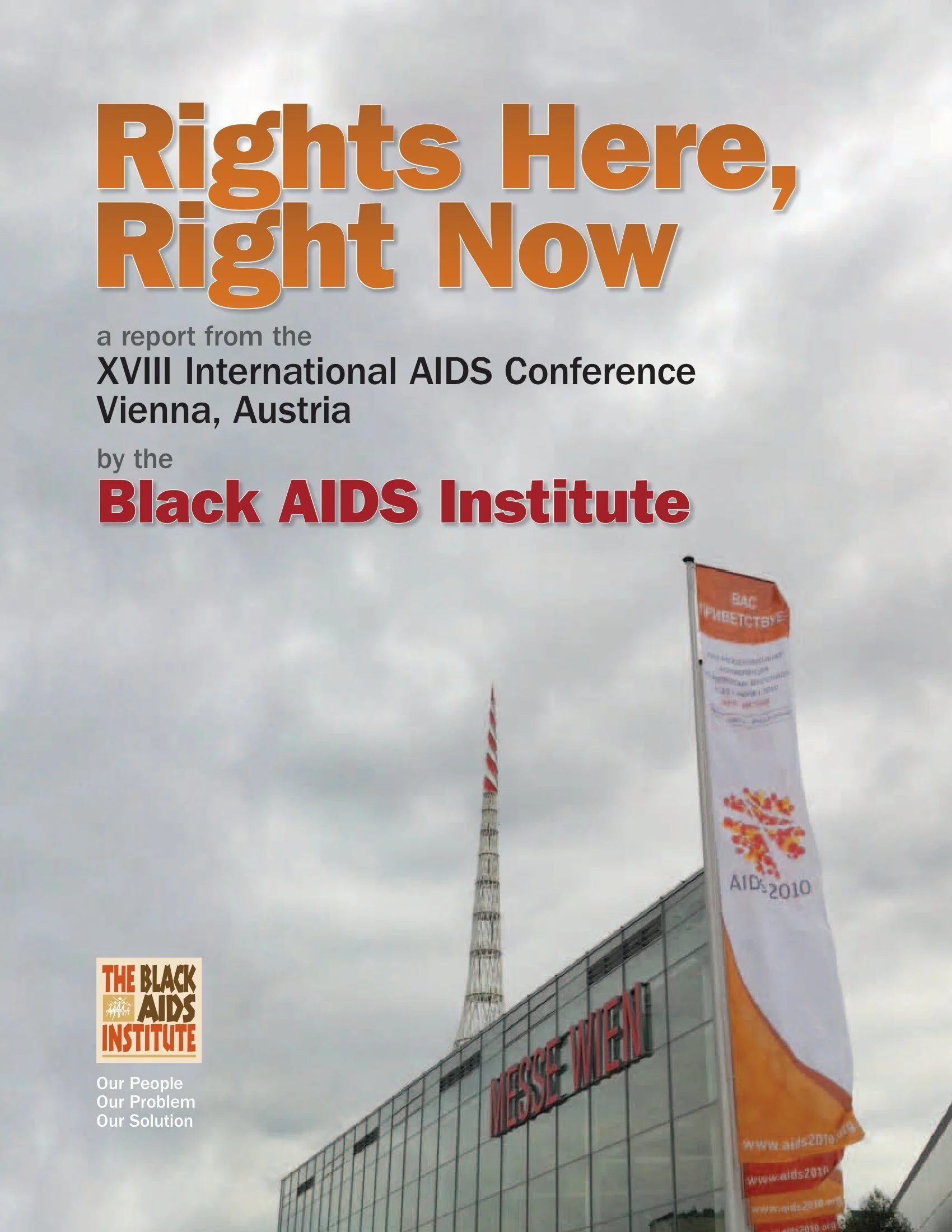
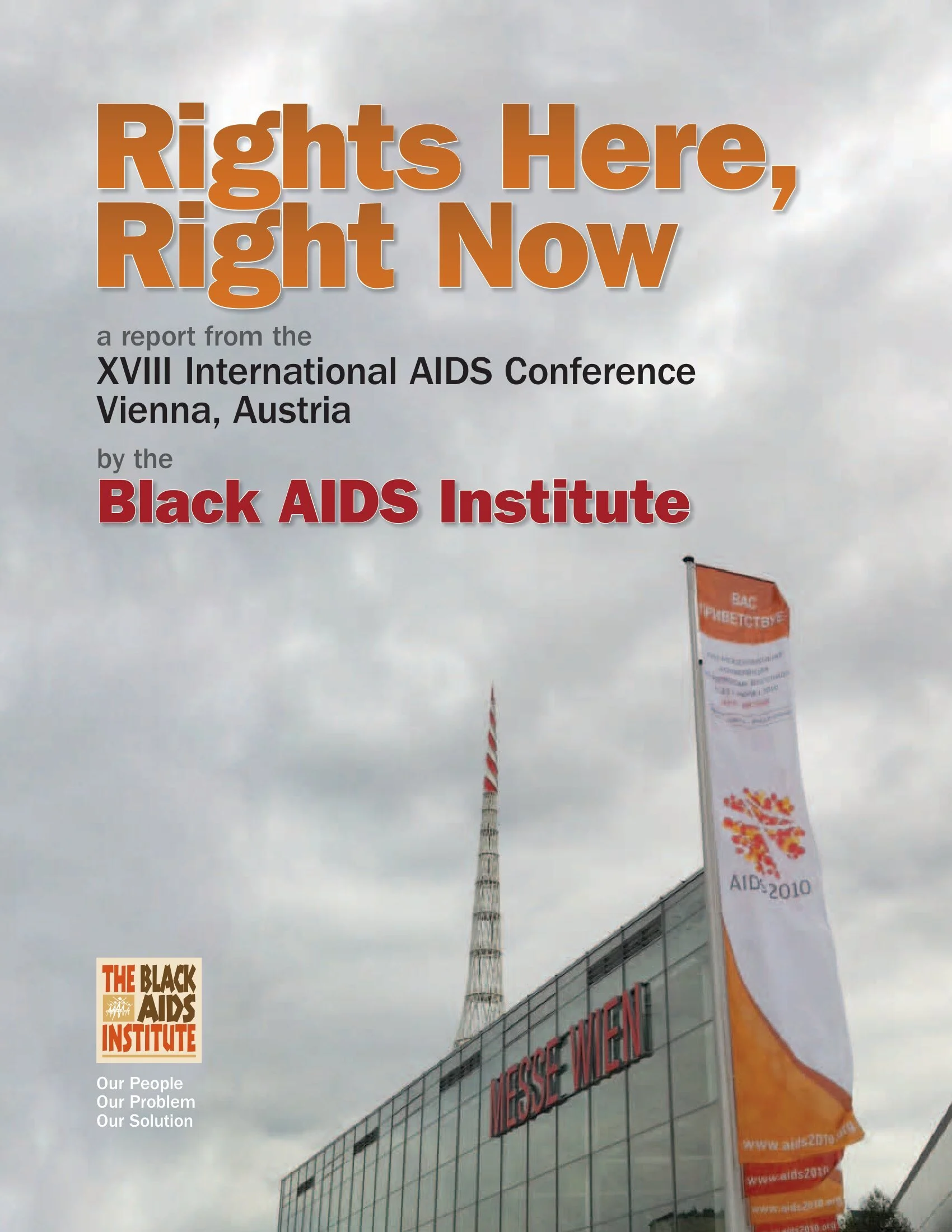
Rights Here, Right Now, International AIDS Conference 2010
January 7, 2010
A report from the XVIII International AIDS Conference, Vienna, Austria
In the weeks since the Black AIDS Institute’s delegation of journalists, activists and people living with HIV/AIDS left the International AIDS
Conference (IAC) in Vienna Austria, I’ve been sorting, filtering and putting into perspective our experiences and memories of the week.
By the end of the conference we were exhausted, but we were also extremely inspired. I don’t think I was alone in wishing every Black person
in America could have participated in this year’s IAC gathering. Many of the major findings and stories of this year’s conference were about Black people. It was, if you will “the Year of the Black.”
The purpose of this report is to share with you as many of the highlights of the Vienna conference as the pages of this report will allow.
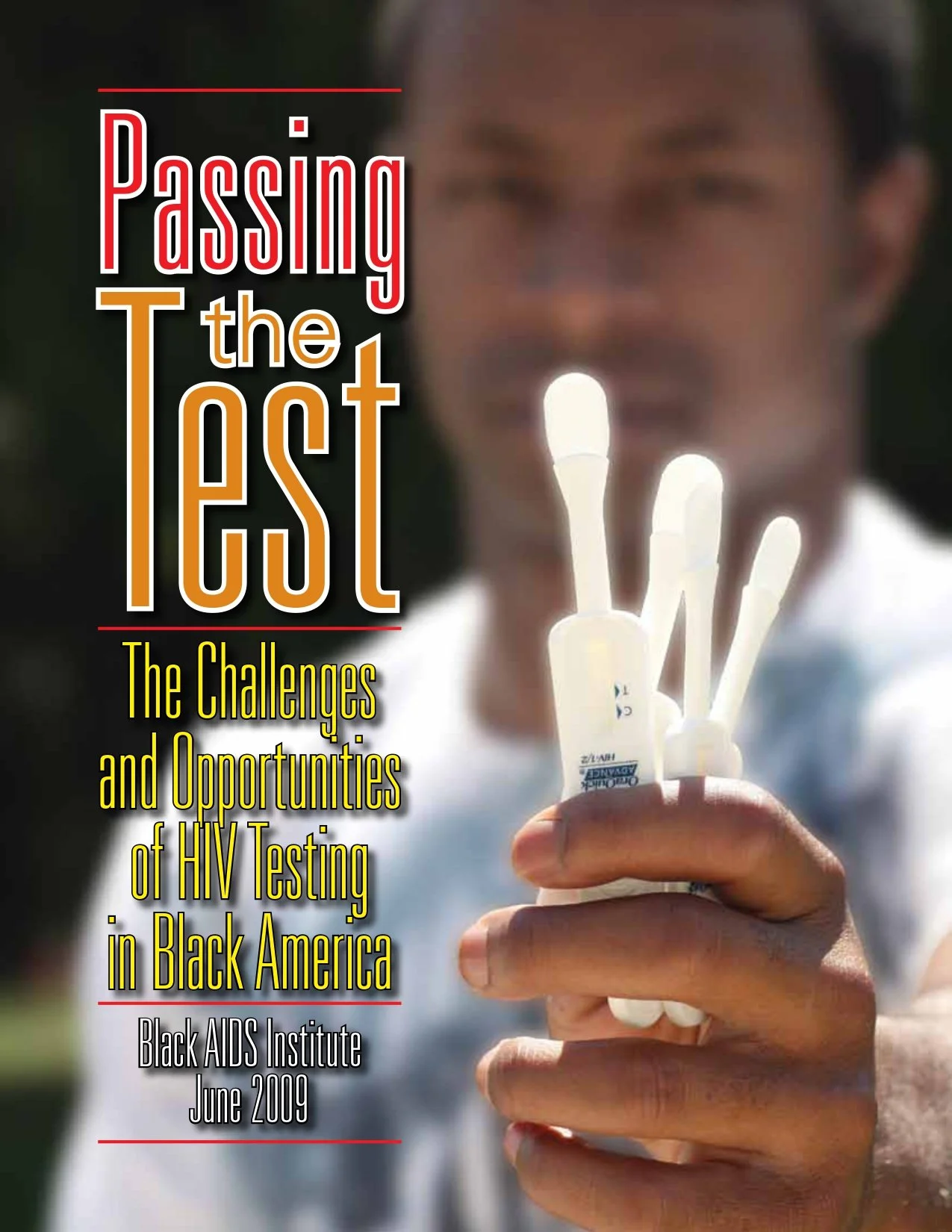
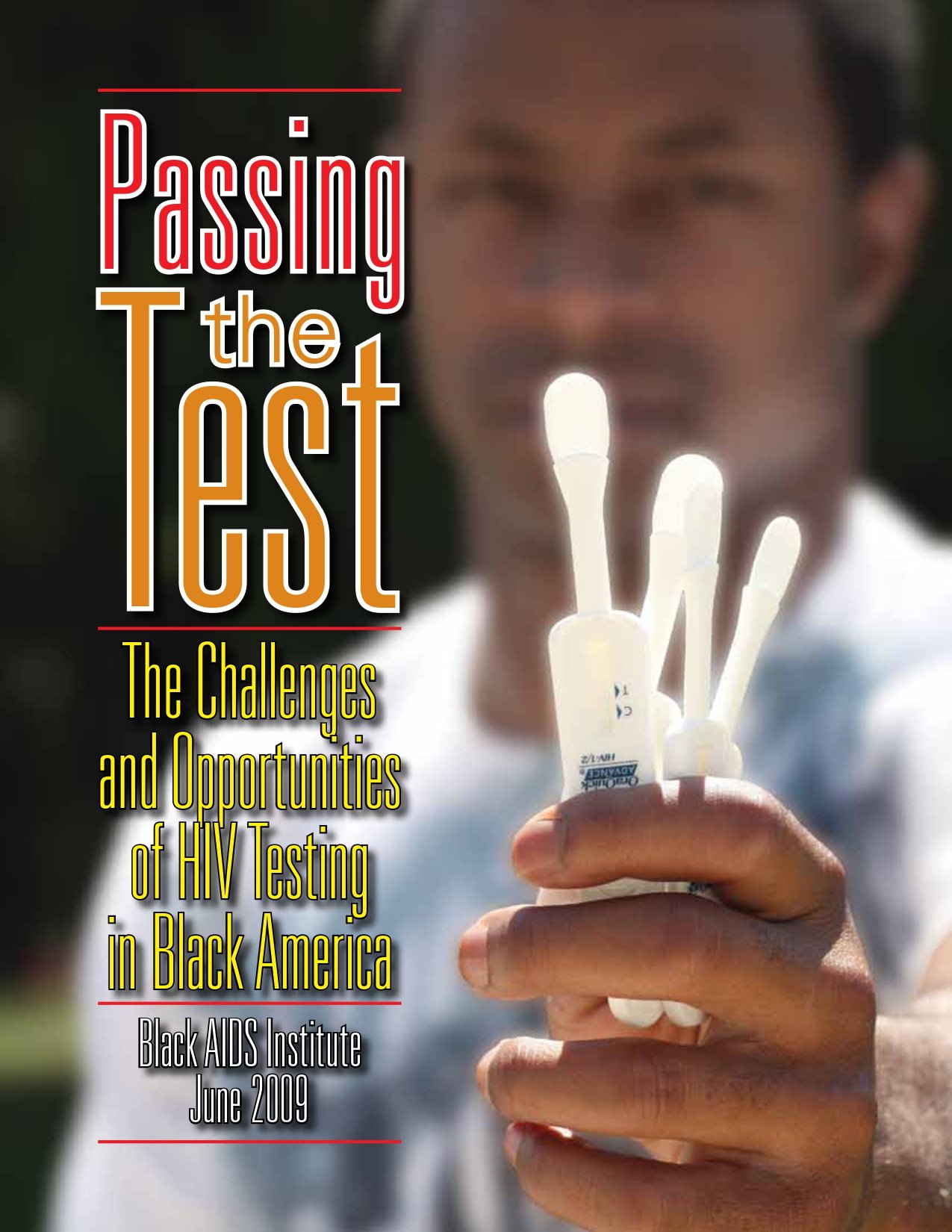
Passing the Test: The Challenges and Opportunities of HIV Testing in Black America
January 6, 2009
Welcome to Passing the Test: The Challenges and Opportunities
of HIV Testing in Black America.
We are pleased to partner with the Global Business Coalition on HIV/AIDS, Tuberculosis & Malaria (GBC) and the National Association of People with
AIDS (NAPWA) on this edition of the state of AIDS in Black America series by the Black AIDS Institute.
Knowing your HIV status is a right and a responsibility. Knowing the HIV status of your partner can save your life, and finding out your HIV status has never been easier. HIV tests are affordable. There are agencies offering free HIV tests in nearly every city in America. HIV tests are painless. The most common form of HIV testing today uses an oral swab—no more blood or needles.
The days of waiting a week to get your results are over. With the rapid tests, you can get your results back in less than an hour. People who are diagnosed late in the course of HIV infection have a much poorer
prognosis than individuals whose HIV diagnosis is timelier. In New York City, individuals whose HIV and AIDS diagnoses occur within 31 days of one another are twice as likely to die within four months of diagnosis as people with a non-concurrent AIDS diagnosis. Early knowledge of HIV infection plays a key role in reducing HIV-related morbidity and mortality.
So, let’s think about it. HIV tests are free, easy, painless, quick, and you get information that just might save your life. What’s not to love about that? You would think everyone in America would get tested for HIV. Yet, 1 in 2 of Black people in the U.S. infected with HIV don’t know their HIV status. Many people living with HIV are diagnosed only in response to symptoms, usually several years after initial exposure to the virus. In Washington, D.C., 69% of AIDS cases were diagnosed with HIV less than a year earlier. Among HIV-positive Black gay and bisexual men who participated in a CDC sponsored multi-city study, 67% were previously unaware of their infection.
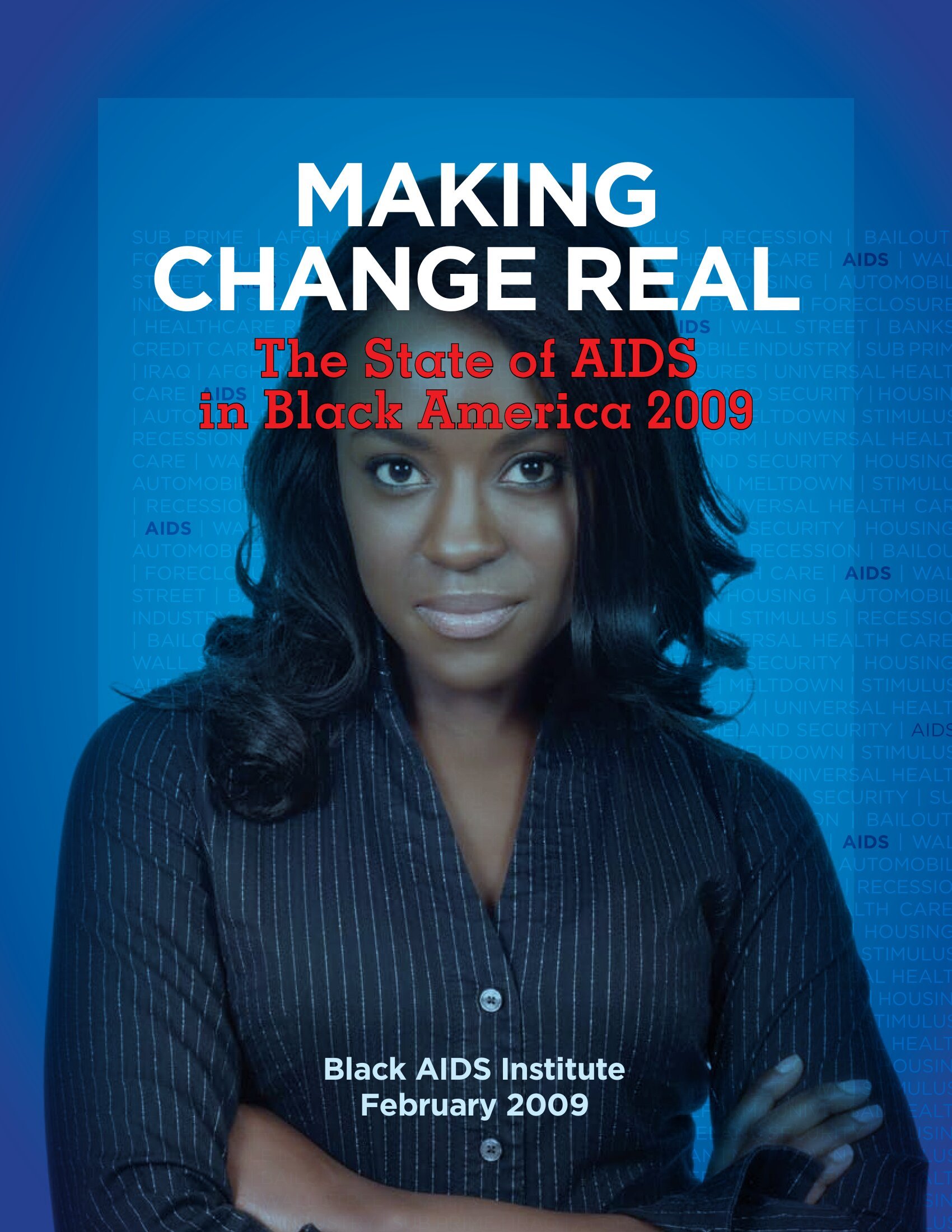
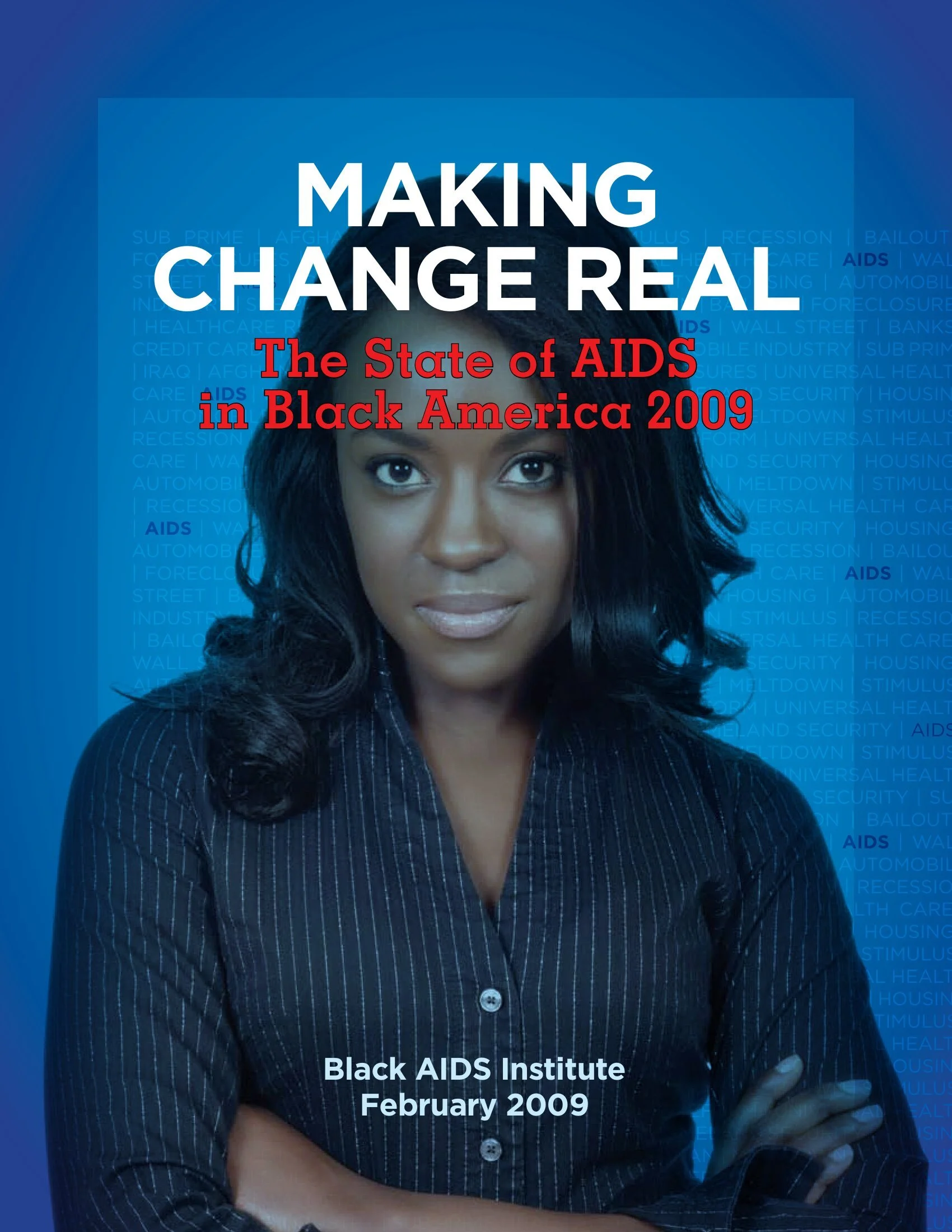
Making Change Real: The State of AIDS in Black America 2009
January 2, 2009
An Opportune Moment—If We Act
As a 52-year-old Black gay man with HIV, I have many reasons to welcome the inauguration of Barack Obama. A big one is that an Obama administration has enormous potential to reinvigorate a struggle that has been allowed to flag over the last eight years: our national fight against HIV/AIDS.
With our country facing so many challenges—two wars, a financial meltdown and the growing threat of environmental devastation—it may be tempting to relegate the AIDS epidemic to the lower rung of national priorities. That would be a grave mistake.
Every year, more than 56,000 people in this country contract HIV. The devastation is worst among Black Americans, who represent nearly half of all new HIV infections, including two-thirds of the new cases among women and 70 percent of the new cases among adolescents. AIDS clearly has affected certain groups more than others. But as then-Sen. Obama said in 2006: “We are all sick because of AIDS—and we are all tested by this crisis.
It is a test not only of our willingness to respond, but of our ability to look past the artificial divisions and debates that have often shaped that response.” AIDS, in short, is a sickness at the very heart of the American family. Like any family, America must respond to the sickness in its midst by displaying both solidarity with those who are living with HIV and a determination to make sure no one else gets infected.
This report—Making Change Real, the 2009 installment of our annual State of AIDS in Black America series—details both the promise and the peril of the era we now enter.
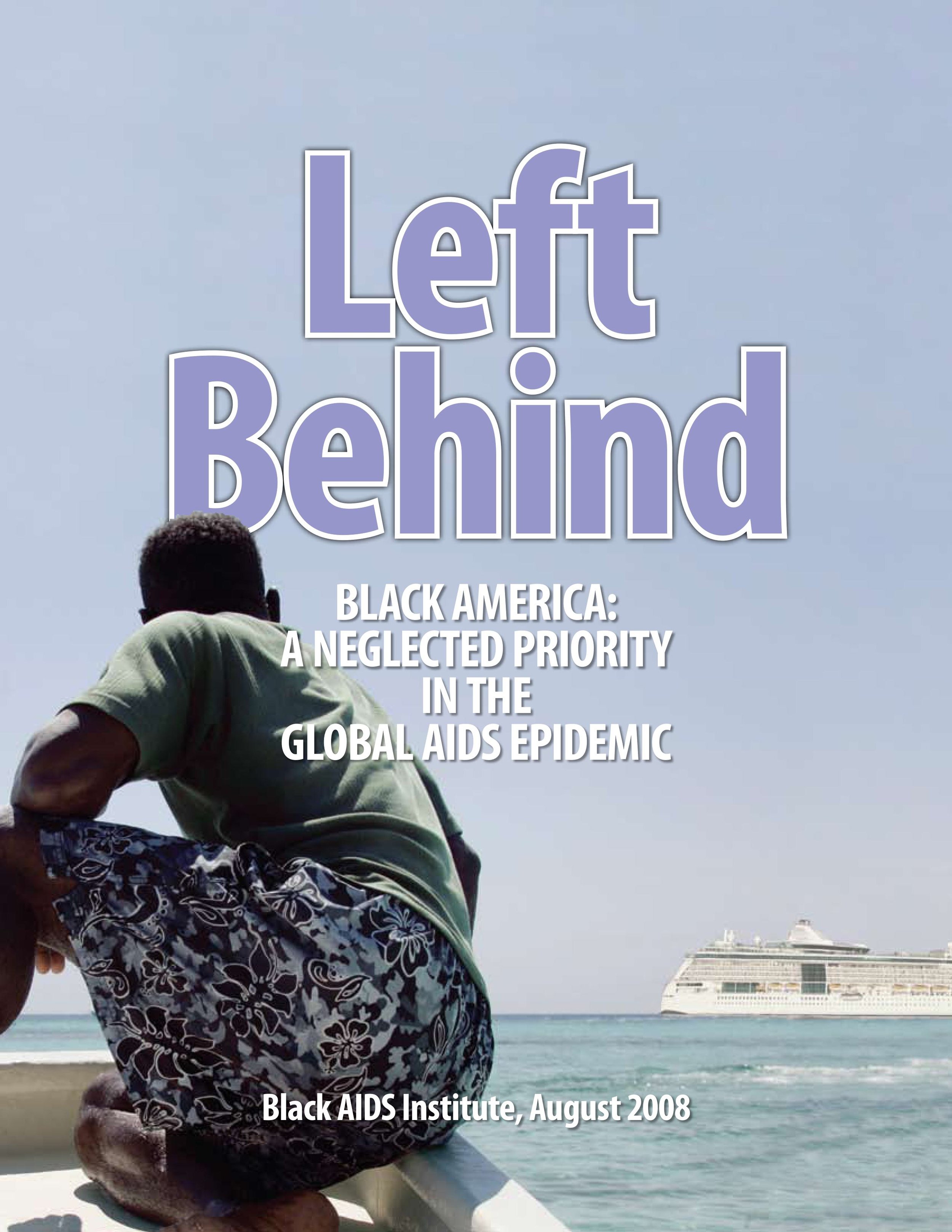
Left Behind – Black America: A Neglected Priority in the Global AIDS Epidemic
January 8, 2008
What if Black America Was a Country unto Itself?
Welcome to Left Behind, the latest in a series of reports on the state of AIDS in Black America by the Black AIDS Institute.
While the world wasn’t looking, the AIDS epidemic in the United States refused to go away. In fact, the domestic AIDS epidemic in the U.S. is much more serious than previously believed. According to analyses of epidemiological data by the Centers for Disease Control and Prevention, the annual rate of new HIV infections is nearly 50% higher than previously believed.
And as America lost interest in its own epidemic over the last decade, the disease became even more firmly implanted in Black America. Nearly 600,000 Black Americans are living with HIV, and as many as 30,000 become newly infected each year. In New York City, Blacks living with HIV have an age-adjusted death rate that is two and a half times higher than for HIV-infected whites.
According to public opinion surveys, Blacks regard AIDS as the country’s most serious health threat. America’s opinion leaders and policy makers apparently don’t share this view. In recent years, domestic AIDS issues have virtually disappeared from the front pages of the nation’s daily newspapers and from the evening news. And funding from governmental agencies and most foundations for essential programs to prevent new infections and treat people living with HIV in the U.S. has declined in real terms in recent years.
For much of the AIDS epidemic, an impediment to progress in Black America has been the shortage of Black leadership, activism and mobilization to address the disease. This is no longer the case. Black leaders, political organizations, civil rights groups, churches and community groups across the U.S. are mobilizing to wage battle against this most serious of health problems facing Black America. So what’s missing?
In this report, we point out that Black America is lacking a partner in the federal government when it comes to fighting AIDS, and in many ways has been left behind by most foundations and almost all global health agencies. As America goes to the polls in 2008 to decide the country’s future, this report argues that official neglect of the epidemic in Black America must become a thing of the past.
This report underscores the ironies in the U.S. government’s failure to take AIDS in Black America seriously by juxtaposing the federal response to the domestic epidemic in recent years with its pioneering leadership on global AIDS issues. This isn’t meant to suggest that U.S. leadership on the global epidemic is misplaced. On the contrary, helping lead the global response to AIDS is one of the most important actions the U.S. has taken in the international arena in decades. It might even be the one shining example in an otherwise dismal foreign policy agenda. The point of this report, rather, is that the same zeal, wisdom and courage our government is now showing on global issues must be brought to bear in the fight against AIDS at home.
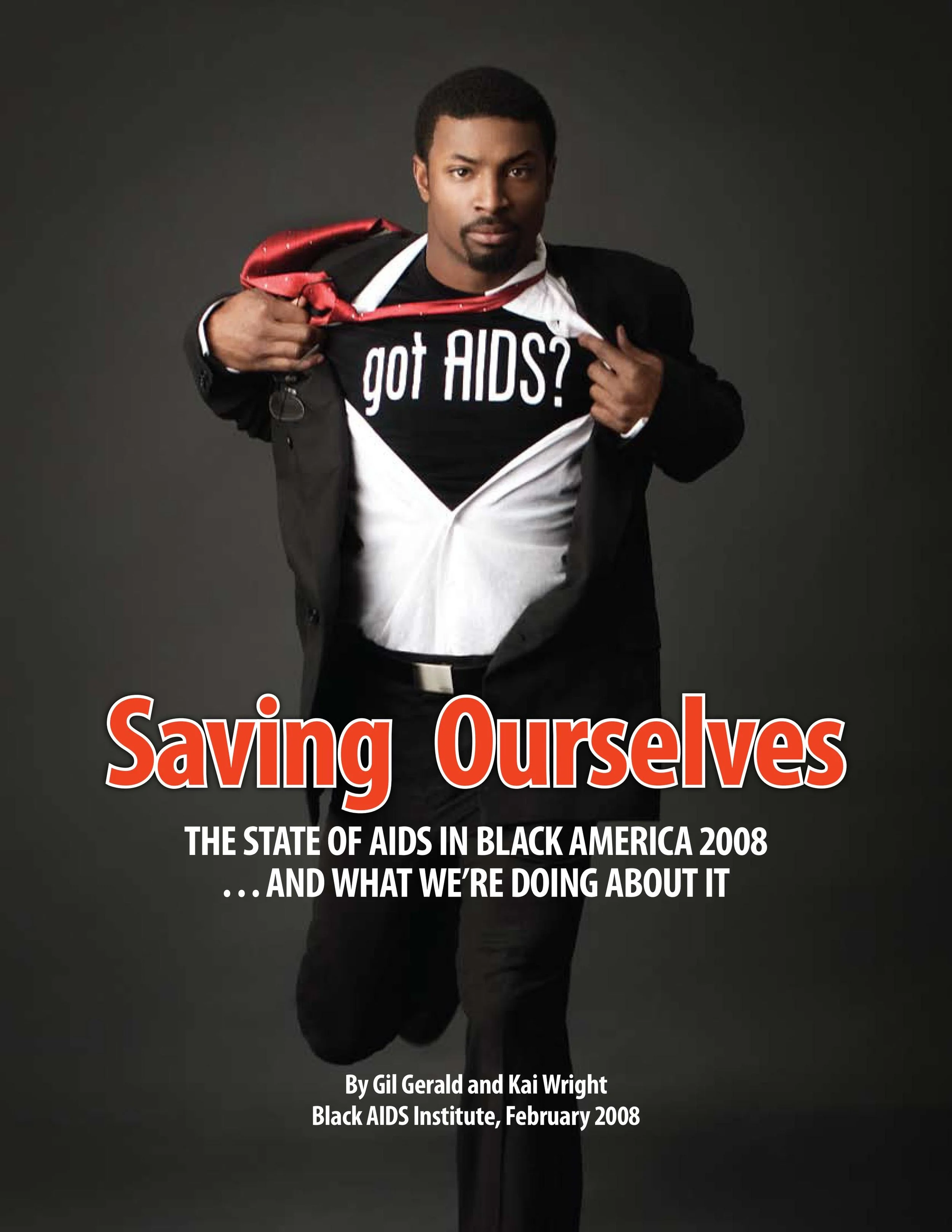
Saving Ourselves: The State of AIDS in Black America in 2008… And What We’re Doing About It
January 2, 2008
Welcome to the Movement
I’ve been trying to get Black folks to pay attention to the AIDS epidemic in our community for over 20 years. But in the heat of the presidential primaries, I learned everything I need to know about mobilizing Black folk, and I owe it all to Barack Obama.
In October 2007, polls showed that Black voters backed Hillary Clinton over Obama for the Democratic presidential nomination by a whopping margin: 57 to 33 percent. It remained unclear who would win the nomination at this report’s writing, but what was clear was that Obama had regenerated his own campaign by revving up Black America. In the Nevada caucuses and the South Carolina primary, exit polls showed more than 80 percent of Black voters backed him. So what changed?
In the words of Bill Schneider, CNN’s senior political analyst, “What appears to have changed is Obama’s electability.” Black people were reluctant to support Sen. Obama because they didn’t think a Black man could be elected president and they didn’t want to be disappointed. “Now they believe,” said
Schneider.
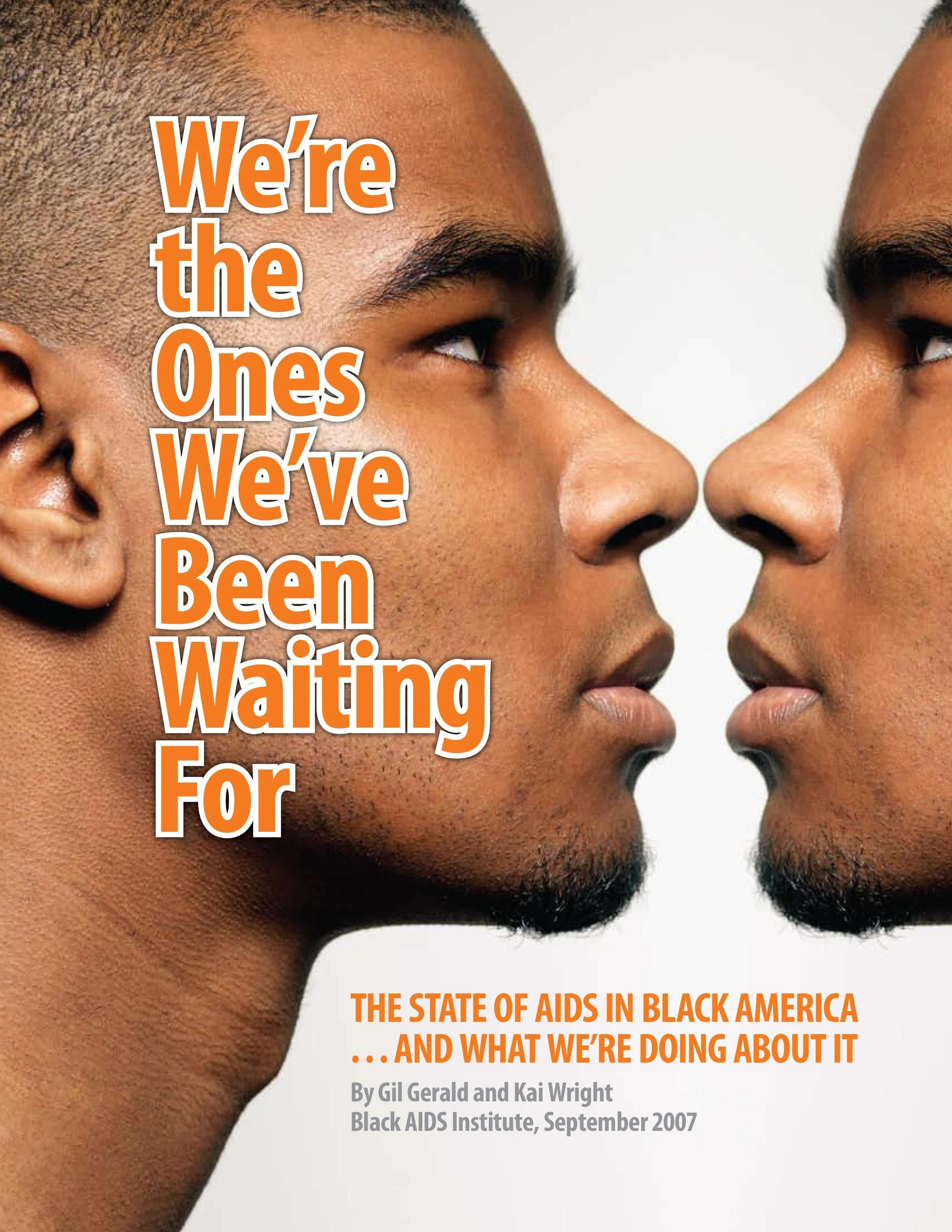
We’re the Ones We’ve Been Waiting For: The State of AIDS in Black America… And What We’re Doing About It
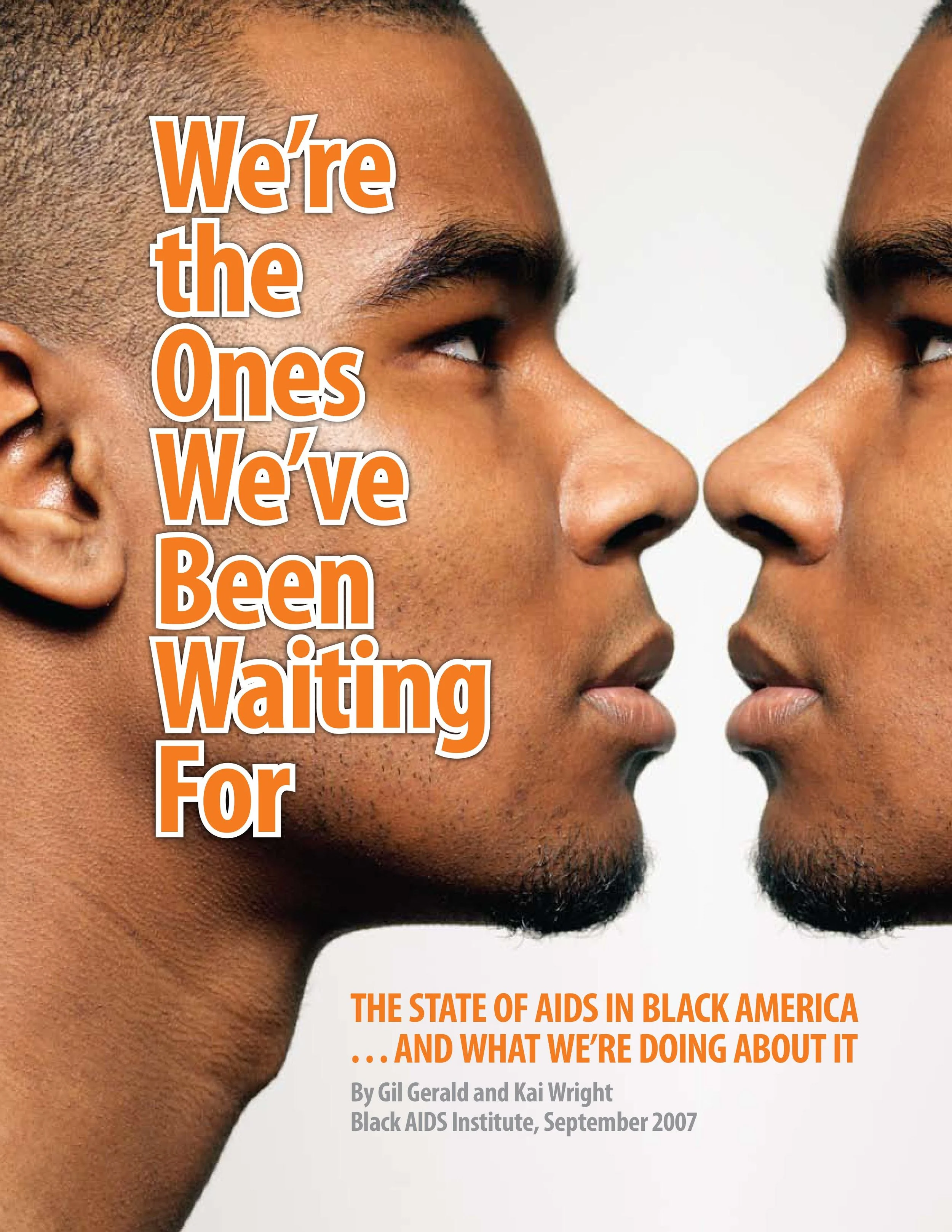
January 9, 2007
We’re the ones we’ve been waiting for
“It is people joining forces in a time of great need. It is hope, it is sharing the burden. It is people caring for their own and finding love, and surviving, and believing in the future even when we are hurting more than we have ever hurt before. “It is AIDS.” Chris Brownlie—1951-1989
When Hurricane Katrina hit New Orleans on August 29, 2005, I was in Atlanta at an HIV/AIDS consultation for the Centers for Disease Control and Prevention. Upon hearing the news, I rushed to my room and, in a desperate panic, turned to CNN in search of information. Like most Americans I was shocked at the images flooding my hotel room—desperate people standing on rooftops begging for help, dead bodies floating down the streets of a major city in the United States.
But perhaps unlike most Americans, Hurricane Katrina was deeply personal for me. This was happening to my city. This was happening to my family. My oldest niece was a rising sophomore at Xavier University in New Orleans. My family is from Louisiana and Mississippi. My childhood was punctuated with frequent trips to New Orleans for family reunions, weddings and, of course, funerals. I’ve walked along the 17th Street levee
with my parents. I remember wandering along the streets of the Lower Ninth at sunset with my cousin Edward, eating crawfish out of a brown paper bag (stolen out of my Aunt Vera’s shrimp boil, while the adults weren’t looking) and throwing the shells over our shoulders as we went along without a care in the world.
As I watched CNN, I knew my Aunt Vera’s old house was gone, as was my Aunt Late’s, and my Uncle Jed’s. When Katrina hit New Orleans, my family counted over 100 members living in the city. All of them were displaced. As of today, fewer than 10 have returned.
As this report is being released, the world is marking the two-year anniversary of Katrina, pausing to remember the devastating damage the Gulf Coast absorbed and pondering the lack of progress made in the rebuilding efforts. I was recently in New Orleans, and evidence of Katrina is still everywhere you turn. In some parts of the Lower Ninth Ward, it was as if the hurricane had just happened.
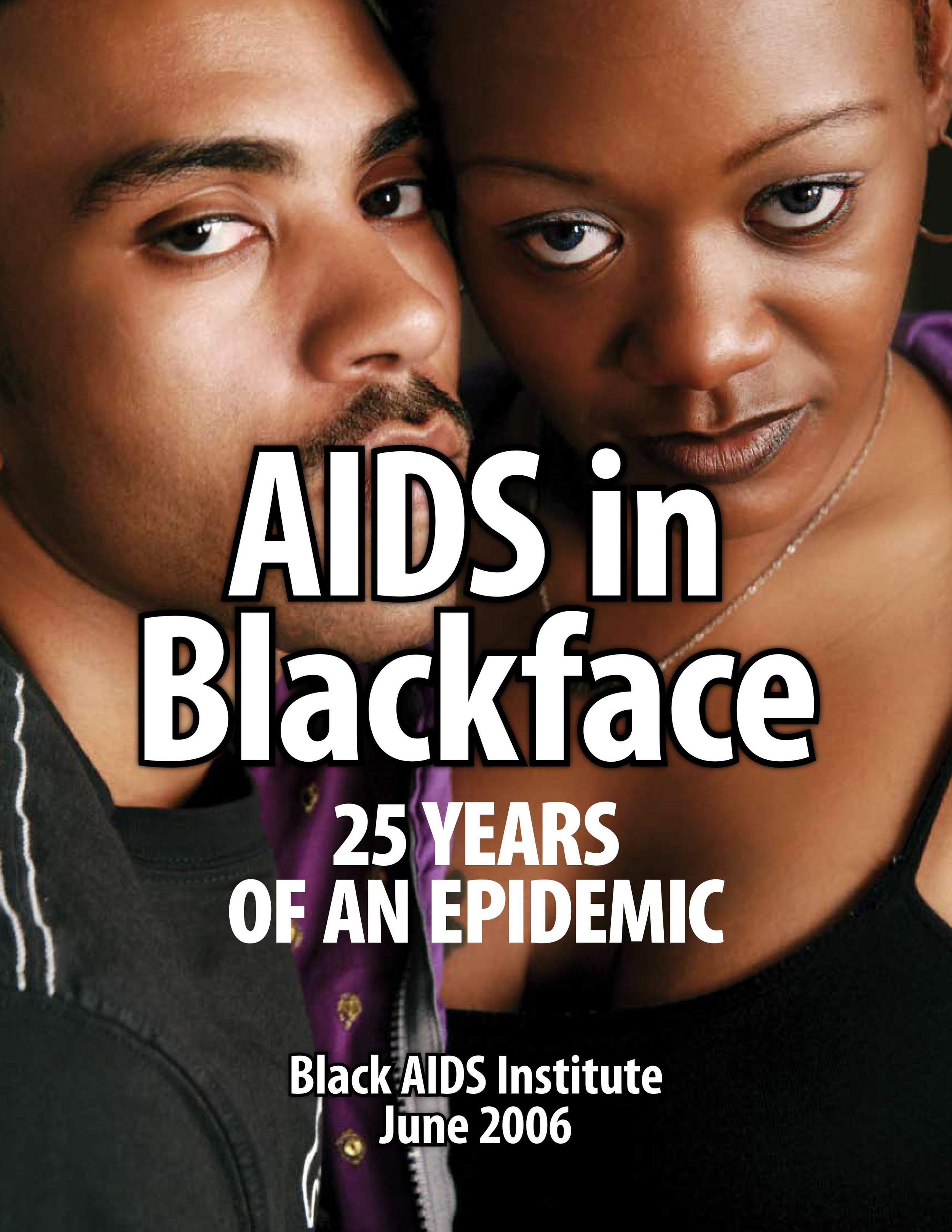
AIDS in Blackface: 25 Years of an Epidemic
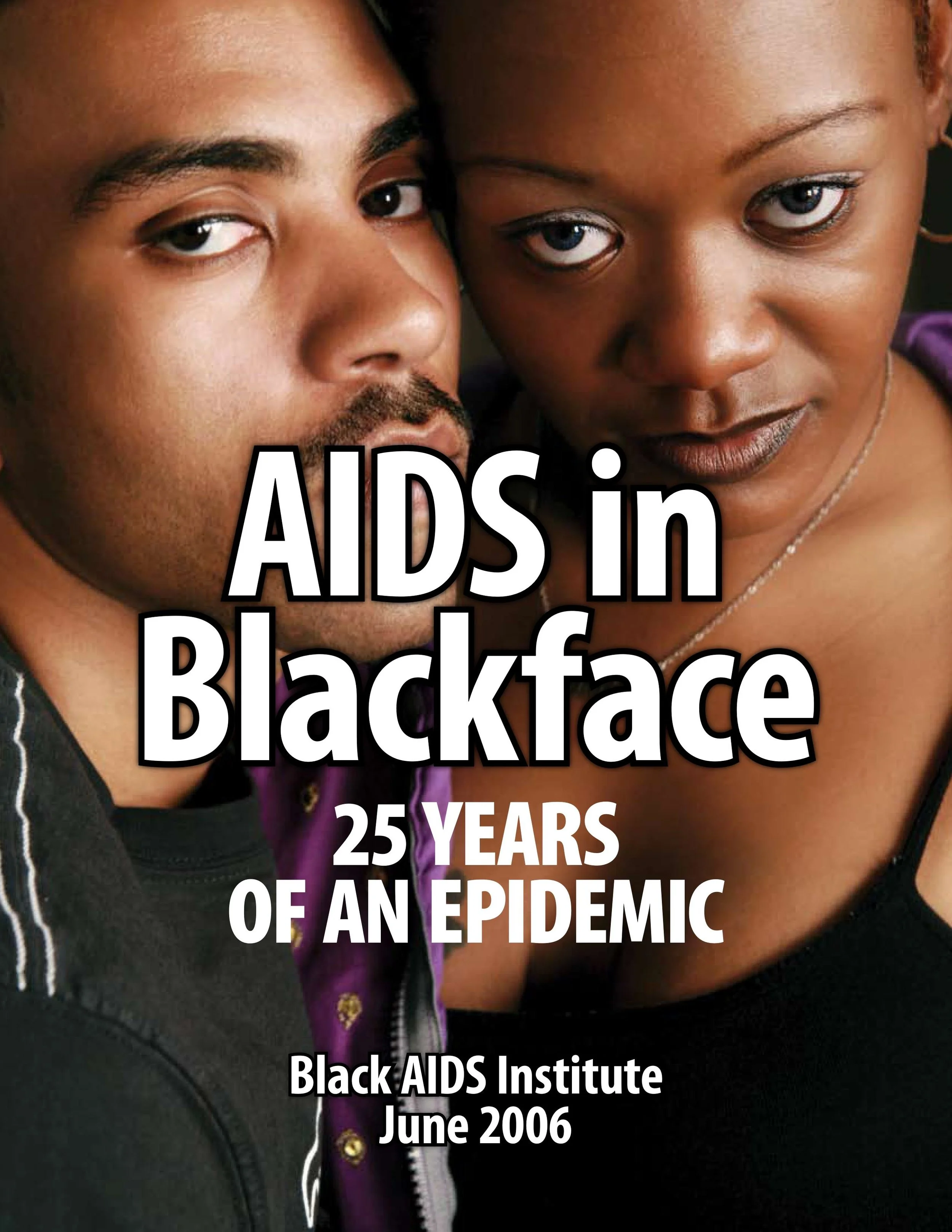
January 6, 2006
My Life with AIDS
Here’s a shocking fact: I’m a middle-aged man. I know it sounds like a pretty run-of-the-mill achievement, but it is not. I have been living on borrowed time for a quarter century.
You see, I was infected with HIV in 1981. This year, I celebrated my 50th birthday. I’ve lived with the virus so long now that I don’t even remember what it was like not to have it. The best medical knowledge had me on death’s door by 1995. My first partner crossed over that portal in 1989; he’s one of literally hundreds of friends, loved ones and colleagues whom I have watched die from AIDS over the last 25 years. No, by all rights, I should not be here to see 50.
And yet, here I am. I could fill a lifetime’s worth of reports and publications speculating on what blessings have sustained me all these years—and I’ll spare you that. But I know one thing that’s surely helped keep me going: My determination to beat this darned virus, not just in my own body, but in the communal body of Black America.
Like me, the AIDS epidemic has a shocking birthday this year. It was 25 years ago today— June 5, 2006, the date we release this report—that Dr. Michael Gottlieb diagnosed a strange illness among five of his white gay patients at University of California, Los Angeles. Since then, AIDS has become a defining issue of our time, particularly for Black folks.
The statistics, no matter how many times I speak them, are worth repeating: Nearly half of the more than one million Americans estimated to be living with HIV/AIDS are Black. We represent over 56 percent of the new AIDS cases among youth. We’re nearly 70 percent of the new AIDS cases among women.
No one expected HIV to be around this long, any more than they expected it of me. And those two facts have me thinking about the next 50 years.
The Way Forward: The State of AIDS in Black America
January 2, 2006
Charting Our Course to Health
Welcome to the 2006 report on the State of AIDS in Black America, The Way Forward.
It is both fitting and ironic that this report is being released on the sixth annual National Black HIV/AIDS Awareness day as we all say our final goodbyes to our beloved Mrs. Coretta Scott King. Of traditional Black civil rights leaders, Mrs. King was the first and most courageous to join the ranks of heroes in the struggle against AIDS Black America has suffered tremendous losses in the last year.
With the passing of Delores Tucker, Rosa Parks, and now Mrs. King, the ranks of brave leaders who put themselves on the line during the dangerous, heady days of the late fifties and early sixties have become desperately thin. Coretta and Martin are finally together again. It’s been 43 years since Martin had that dream, and 38 years since he stood on that mountaintop and saw our destiny. Now, however, we are faced with a devastating disease running rampant through our communities that threatens not only to prevent us from getting to the mountaintop, but to roll back much of the progress Dr. and Mrs. King fought for.
“AIDS is a human crisis, no matter where you live,” Mrs. King said while addressing a gathering of the Southern Christian Leadership Conference. “Anyone who sincerely cares about the future of Black America had better be speaking out about AIDS, calling for preventive measures and increased funding for research and treatment.”
Those words have never rung more true. Since we released this report a year ago, much has changed—and too much has remained the same. For the second year in a row, the President raised the specter of AIDS in the African American community and called on America to act. While we don’t underestimate the importance of the President keeping the AIDS epidemic in Black America in the public eye, we can’t help but note the glaring disparities between his words and deeds. That is a tragedy.
But this report is not about the President or Congress or any kind of “them.” This report is about a collective us. As the motto of the Black AIDS Institute says, “Our People, Our Problem, Our Solution.” As outlined in this report, when we have the courage to act we make progress; when we don’t we lose ground.
Getting Real: Black Women Taking charge in the Fight Against AIDS
January 12, 2005
The State of AIDS Among Black Women
Here’s the vastly underreported good news about HIV and AIDS among African American women: In June 2005, the U.S. Centers for Disease Control and Prevention reported a six percent drop in infection rates among Black women between the years 2000 and 2003. Later, in November, the CDC reported a five percent drop in infection rates among African Americans overall. We are making progress; prevention is working.